
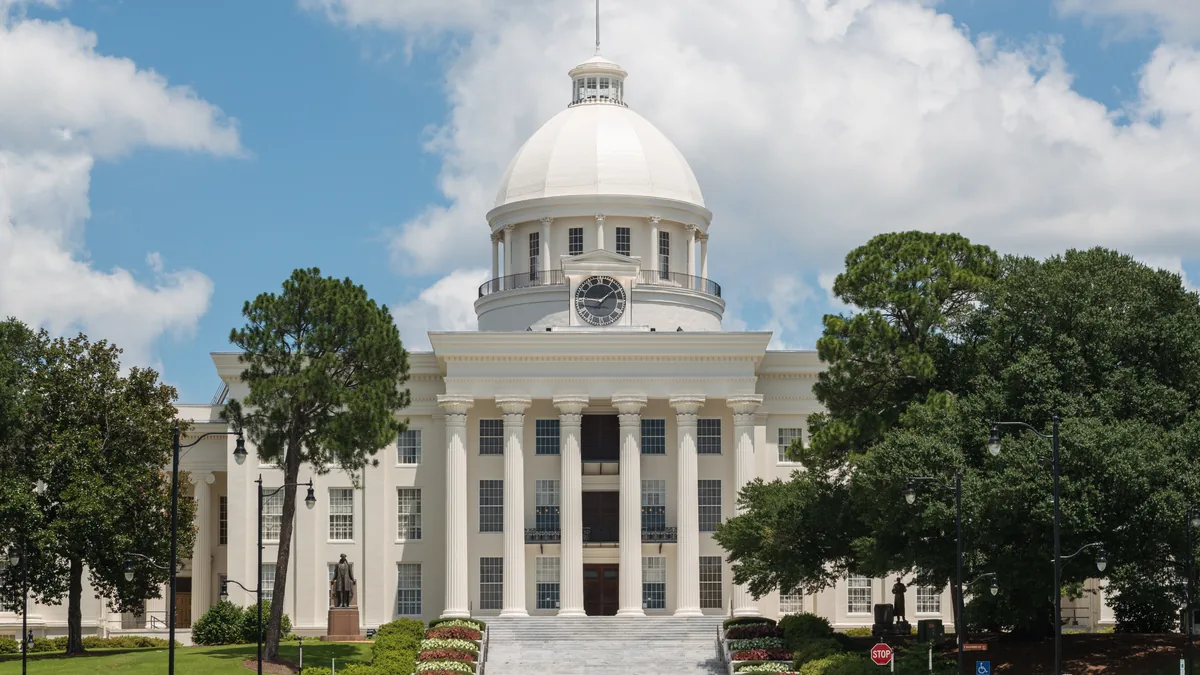
CHIP in Alabama
Alabama at a glance
Alabama is home to about 203,578 foreign-born residents (4.0% of the state’s 5,086,768 people) and 284,135 residents of Hispanic or Latino origin (5.6%), per the U.S. Census Bureau’s American Community Survey (2024 5-year estimates). The procedures below apply to everyone in Alabama regardless of immigration status unless noted.
CHIP covers health insurance for uninsured children from families earning too much for Medicaid but unable to afford private insurance.
CHIP eligibility limits in Alabama (verified data)
Source: Kaiser Family Foundation (KFF) — CHIP data by state
Verified on: 2026-05-25
Children’s health coverage in Alabama
| Child age | Medicaid (% FPL) |
|---|---|
| Infants 0-1 year | up to 146% FPL |
| Children 1-5 years | up to 146% FPL |
| Children 6-18 years | up to 146% FPL |
CHIP upper income limit in Alabama: 317% of FPL
CHIP-funded prenatal coverage (conception to end of pregnancy): up to 317% of FPL
How to apply for CHIP in Alabama
- Combined Medicaid+CHIP application via healthcare.gov
- Alabama state application (some states have own portal)
- By phone: 1-877-KIDS-NOW (1-877-543-7669)
How to apply for CHIP in Alabama
- Visit Healthcare.gov or Alabama’s Medicaid/CHIP portal
- Complete the application — ONE application covers both Medicaid AND CHIP automatically
- Alabama determines if your child qualifies for one or the other
Typical coverage
State CHIP plans cover doctor visits, vaccines, hospitalization, prescriptions and mental health care. Dental is required by federal law — coverage of dental services “necessary to prevent disease and promote oral health, restore oral structures to health and function, and treat emergency conditions” (42 U.S.C. 1397cc(c)(6)(A)). Vision and hearing are not required. The statute puts prescription drugs, vision services and hearing services in a separate list of “categories of additional services” (42 U.S.C. 1397cc(c)(2)). Whether your state’s CHIP covers eye exams and glasses is a state benefit choice, not a federal guarantee.
Income limits
Generally 200-300% federal poverty level. Against the 2026 HHS poverty guidelines, 100% of the poverty level for a household of four in the 48 contiguous states and DC is $33,000 , so a 200-300% range is about $66,000 -$99,000 a year. The limit that decides your case is the state figure in the table above.
Costs
CHIP has low co-pays (sometimes $0) and, in states that charge them, low monthly premiums; federal rules cap a family’s total CHIP cost-sharing at 5% of its income over the child’s eligibility period (42 CFR 457.560).
Related
Last verified: 2026-09-24.
Related procedural information
- Federal benefits eligibility by immigration status — who qualifies for what
- Find legal aid in your state — public-benefits appeals
- What an ITIN is and is not — an ITIN is a tax-filing number, not proof of eligibility for any benefit; each program sets its own identity and status rules
- Consulate of your country — many offer financial-assistance referrals
- Know Your Rights — public-benefits enrollment — agency confidentiality limits