
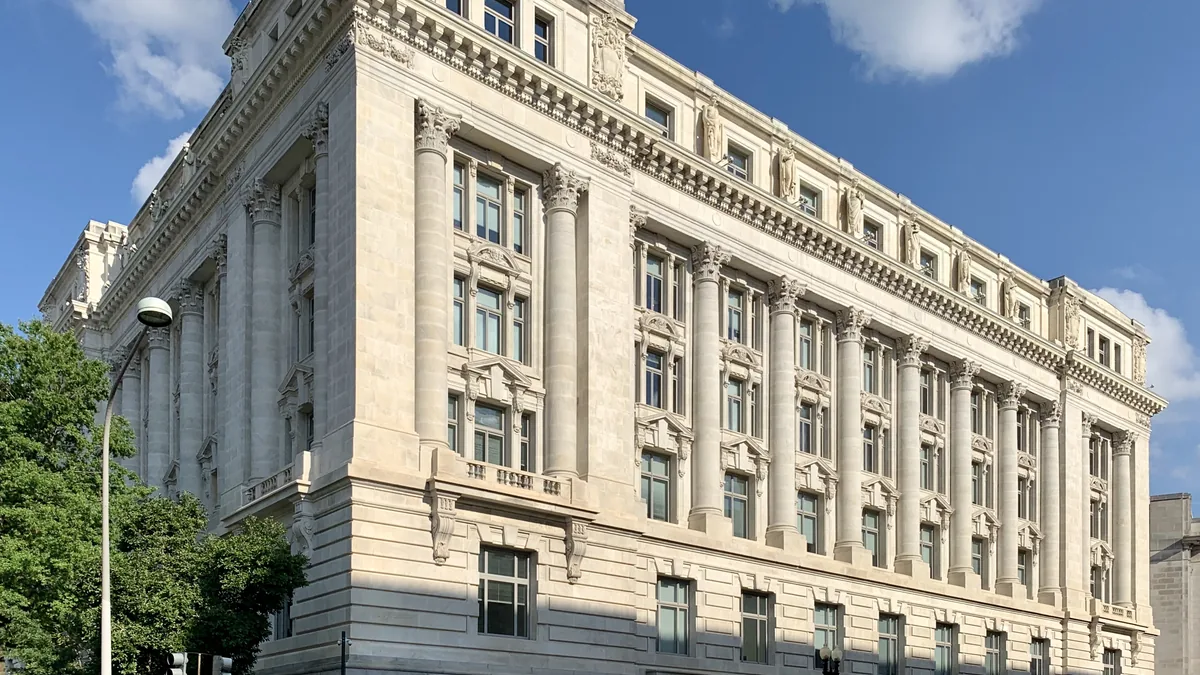
Latin American consulates in District of Columbia
District of Columbia hosts 12 Latin American consular offices on our list representing 12 countries (Argentina, Colombia, Cuba, Dominican Republic, Ecuador, El Salvador, Guatemala, Honduras, Mexico, Nicaragua, Peru, Venezuela). These consulates serve the Hispanic diaspora in District of Columbia and, in some cases, surrounding states (Maryland, Virginia).
Hispanic demographic context
District of Columbia has the substantial Hispanic population (~75,000, ~11% of DC population). Top diaspora groups: Salvadoran primarily, Mexican, Guatemalan, Honduran. Consular service demand is correspondingly high.
Consulates located in District of Columbia
Argentina
Colombia
Cuba
Dominican Republic
Ecuador
El Salvador
Guatemala
Honduras
Mexico
Nicaragua
Peru
Venezuela
Common consular services
Hispanic-country consulates in the US typically offer the services below. Specifics vary by country and by consulate — confirm on the official website before scheduling:
- Passport renewal and new issuance (fees vary by country, roughly $50-$209 — see each country’s passport guide for the verified figure)
- Consular ID — issued by some countries’ consulates (Mexico’s matrícula consular is the most widely recognized; fees vary by country); accepted by many US banks for ITIN account opening and some state DMVs for driver license without SSN)
- Birth registration of US-born children (dual nationality; the fee varies by country — confirm with the consulate)
- Powers of attorney for property/business matters in the home country
- Document apostille and certification (see also US apostille process)
- Voting from abroad when applicable (each country sets its own rules)
- Consular protection in emergencies, hospitalizations, arrests, or deaths
Privacy and confidentiality
Consulates are not part of US immigration enforcement; we found no official source on whether or how a consulate shares its users’ records with US agencies, so we make no claim either way. Be precise about what the Vienna Convention on Consular Relations (1963) does: it makes consular premises and archives inviolable against the receiving State, so US authorities cannot enter the consular working areas or seize consular files without consent. It does not stop a consulate from disclosing information voluntarily, and it is not a privacy promise made to you. Bring only the documents the procedure requires. Your immigration status in the US does not affect your right to consular services as a citizen of your home country.
Related information
- All Latin American consulates by country
- District of Columbia DMV for immigrants
- District of Columbia state benefits eligibility
- District of Columbia state taxes for ITIN filers
- Apostille and document authentication
- Find pro bono immigration legal help
Authoritative sources
- US Department of State list of foreign consular posts: travel.state.gov
- Vienna Convention on Consular Relations (1963)
- Each consulate’s official Ministry of Foreign Affairs website
Last verified: 2026-09-10. General procedural information for educational purposes. Consulate addresses, fees, and hours change. Verify directly with the relevant consulate before traveling. Not legal, tax, or immigration advice.
Related procedural information
- ITIN — tax filing without SSN — for people with a US filing or reporting obligation who aren’t eligible for an SSN
- DMV driver’s licenses by state — license rules vary by state for non-US citizens
- ITIN-friendly US bank accounts — checking accounts that open without an SSN
- State immigration courts (EOIR) — find judges, Webex links, telephonic access
- Find immigration attorney — pro bono lists, AILA, BIA-recognized providers