
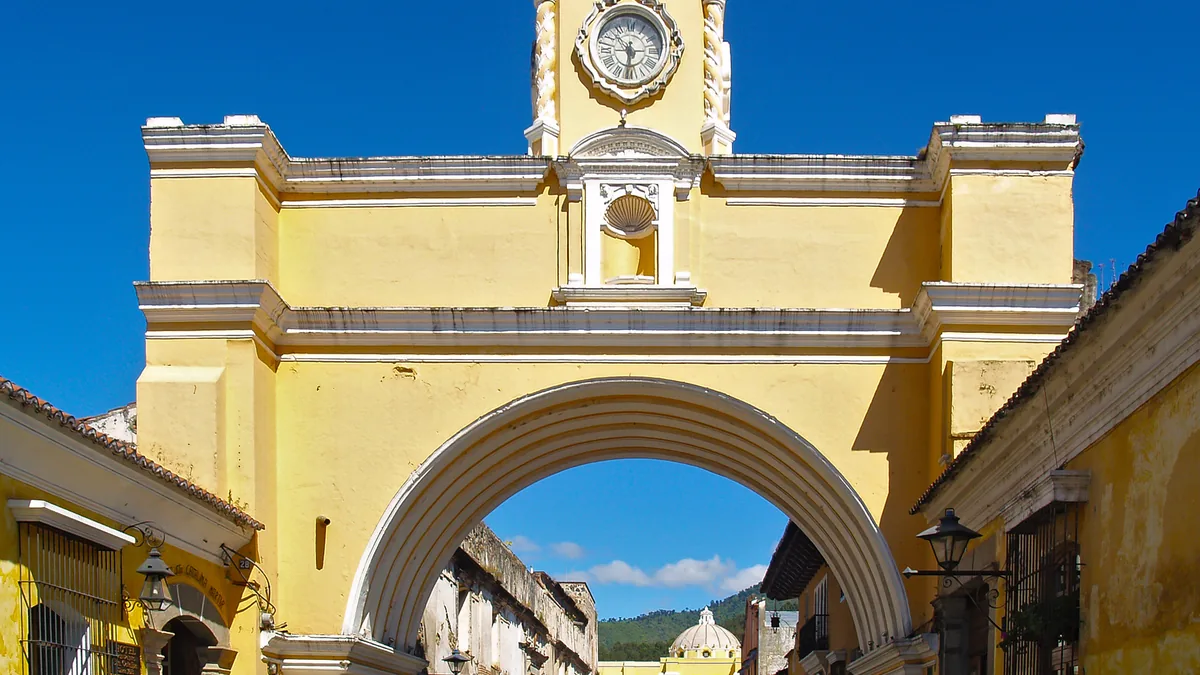
Moving to Guatemala from the United States — complete guide
Guatemala is one of the most affordable destinations for American expats in Central America. Cost of living significantly lower than Panama or Costa Rica, established expat community in Antigua and Lake Atitlán, and accessible residency processes.
Residency types
- Pensionado Visa — For people with a minimum pension of US$1,250/month, plus US$300/month per dependent and a US$400 residency status fee plus a US$40 annual alien fee (Acuerdo IGM 16-2025, under the Código de Migración, Decreto 44-2016)
- Rentista Visa — For people with stable passive income
Why Guatemala
- Very low cost of living — comfortable life $1,000-$2,000/month in expat areas
- Established expat communities — Antigua Guatemala, Lake Atitlán
- US proximity — 3-4 hour flight from Miami, Houston, LA
- Quality private healthcare in Guatemala City
- Cultural heritage — Tikal, Antigua, Atitlán
- Dual nationality permitted for naturalized citizens
Related information
Last verified: 2026-06-11.
General procedural information for educational purposes. Not legal, tax, or immigration advice. Laws and fees change — verify with the issuing agency before taking action. For case-specific guidance, consult a licensed immigration attorney or other appropriate professional.
Related procedural information
- USCIS Form I-407 — abandonment of LPR status — formal renunciation procedure
- IRS tax obligations as a US citizen abroad — citizens file regardless of residence
- Social Security totalization agreements — avoiding double SS coverage
- Find an international tax attorney — for renunciation and exit-tax cases
- Consulate of your destination country — pre-departure documentation