After a workplace raid — what is still owed, and what to do in order
A worksite enforcement operation scatters everything at once: workers detained, paychecks unpaid, shifts gone, families in crisis. What this page covers is the part that does not change with immigration status: money already earned is owed, injury claims survive, and there is a sequence that protects the most people. For the encounter itself — what officers can do inside a workplace — see ICE at the workplace. General information, not legal advice.
First: raid vs I-9 audit — two different events
| I-9 audit (Notice of Inspection) | Raid (enforcement operation) | |
|---|---|---|
| What happens | Employer must produce I-9 employment-verification forms; agents inspect paperwork | Officers enter — with a judicial warrant for non-public areas — arrest workers, seize records |
| Same-day arrests | Generally no | Yes |
| Timeline | Employer gets 3+ business days; worker consequences unfold over days/weeks | Immediate |
| What workers should do | Get legal advice before “correcting” documents; do not flee a job over rumors | The steps below |
If coworkers or family were detained
Run the first-48-hours playbook: locator (24-48h lag), A-numbers, the credible-fear statement, EOIR pro-bono list, consulate notification. For the detained worker’s wage rights, note the worker does not need to be present — or even in the country — for a wage claim to proceed.
The wages are still owed — full stop
The legal foundation is solid and worth knowing precisely:
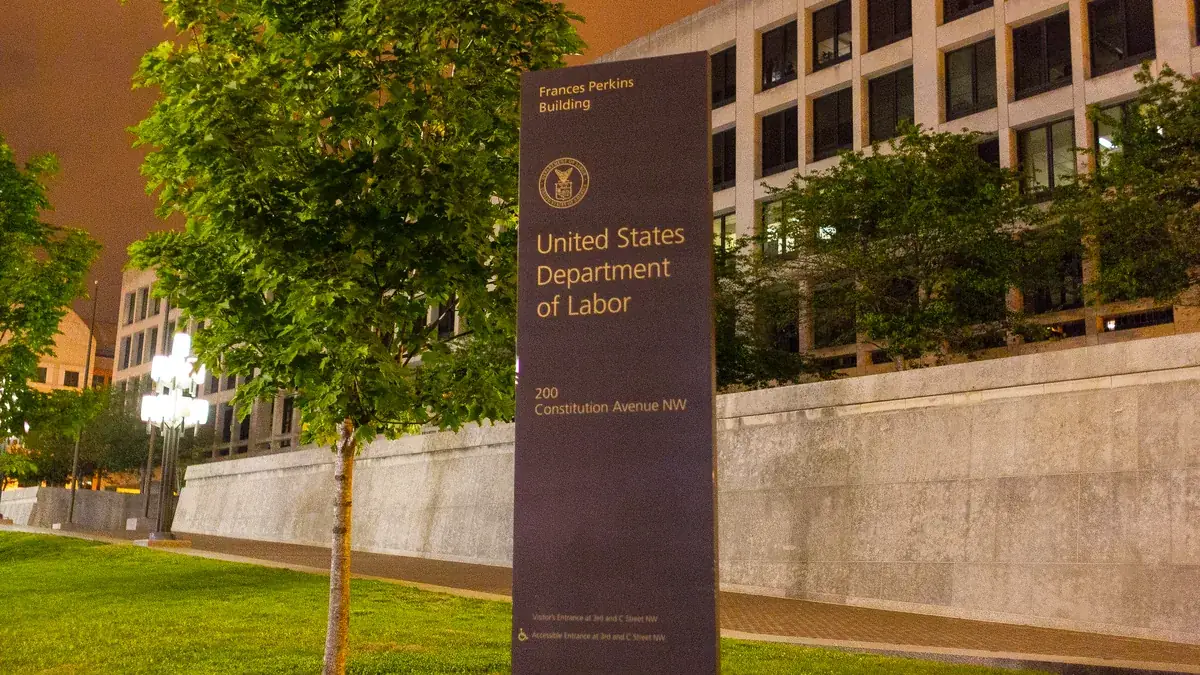
- FLSA coverage does not depend on status. The Department of Labor’s own Fact Sheet 48 states that its Wage and Hour Division “will continue to enforce the FLSA and MSPA without regard to whether an employee is documented or undocumented.” Federal courts have held the same: Patel v. Quality Inn South, 846 F.2d 700 (11th Cir. 1988).
- What is claimable: unpaid regular wages, overtime (1.5× over 40 hours/week), the final paycheck, and in many states “waiting time” penalties for late final pay.
- Where to claim:
- DOL Wage and Hour Division — complaints in any language, status never required: 1-866-4US-WAGE (1-866-487-9243), dol.gov/agencies/whd/contact/complaints.
- Your state labor department — many states have stronger wage laws and longer deadlines; find your state’s wage-and-hour office in work and wages by state.
- Worker centers and legal aid — they file on behalf of detained and removed workers routinely; see legal aid by state and EEOC workplace rights by state for discrimination angles.
- Evidence beats memory: pay stubs, schedules, time-clock photos, text messages assigning shifts, names of supervisors. Start assembling now — and going forward, photograph your hours weekly. Money-transfer receipts and bank deposits reconstruct pay history when stubs do not exist.
Workers’ compensation — injuries do not expire with the job
In the large majority of states, workers’ comp covers employees regardless of immigration status. An injury claim already filed continues; an unfiled claim for a real injury usually can still be filed within the state deadline. Do not abandon medical treatment or an open claim because of the raid — and get a workers’ comp attorney (most work on contingency) or a worker center involved.
Organizing and retaliation rights
The NLRB says it protects the rights of employees under the National Labor Relations Act (NLRA), regardless of immigration status. Hoffman Plastic Compounds v. NLRB (2002) limited certain backpay remedies, but employer retaliation for collective action remains unlawful regardless of status. Workers who cooperated with labor-agency investigations should tell their attorney — agency certifications matter in several forms of immigration relief, and only a licensed attorney or accredited representative should map that for a specific person.
Rebuilding the household
- Benefits for eligible family members continue: US-citizen children keep SNAP, Medicaid/CHIP — see US-citizen children.
- Food and clinic access without status tests: community health centers and free hospital care programs operate on income, not status.
- Beware the post-raid predators: anyone selling “raid permits,” “work pardons,” or guaranteed case outcomes — that is notario fraud season.
- Prepare for next time even while recovering from this one: the family preparedness plan exists for exactly this.
Related information
- ICE at the workplace — during the encounter
- If a family member is detained — first 48 hours
- Workplace rights overview
- Work and wages by state — state labor offices
- Legal aid by state
- 287(g) and detainers — when local police work with ICE
Last verified: 2026-06-11. General information, not legal advice. Wage claims, workers’ comp, and any immigration-relief implications of labor cooperation are case-specific — use the free DOL/state complaint channels and a licensed attorney or accredited representative.