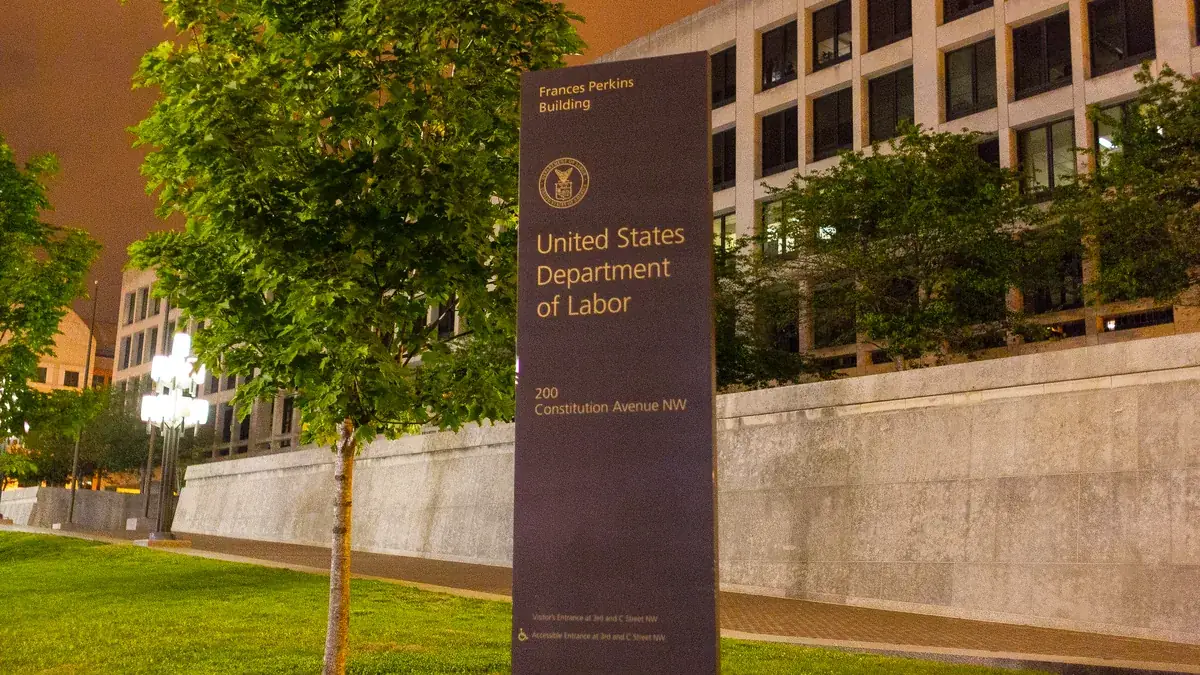
Workplace rights — what every worker has, regardless of immigration status
Most federal labor protections apply to workers based on the work they do, not on their immigration status. If you performed the work, you have the right to be paid for it; if your workplace is dangerous, you have the right to a safe one; and if your boss calls you a “contractor” to avoid all of that, the law looks at the reality, not the label. This page explains the core rights and exactly where to report a violation.
A separate question, and the one that frightens people most, is who the law actually penalizes when someone works without authorization: the fines in INA §274A fall on the hiring entity, while the immigration consequences fall on the worker — the text of each law is set out in what happens if you work without a work permit.
This is general information, not legal advice. For a specific situation, contact a worker center, a labor-rights organization, or an attorney.
The right to be paid: wages and overtime
The federal Fair Labor Standards Act (FLSA) sets a national minimum wage and requires overtime pay (time-and-a-half over 40 hours in a week) for most non-exempt workers — regardless of immigration status. The Department of Labor’s own guidance (Fact Sheet 48, applying Patel v. Quality Inn South) confirms it. You are generally entitled to:
- At least the federal minimum wage — and your state or city minimum if higher (most are): our work and wages by state pages carry the real DOL 52-state minimum-wage table.
- Overtime at 1.5× your regular rate over 40 hours/week, unless genuinely exempt.
- All wages actually earned, including the final paycheck — even after a firing, a raid, or leaving the country (see after a workplace raid).
- Your tips: employers and managers may not keep workers’ tips (FLSA §3(m)); tip pools may only include tipped coworkers.
- Pay not pushed below minimum wage by “deductions” for tools, uniforms, or breakage.
Common wage theft: sub-minimum pay, unpaid overtime, off-the-clock work, illegal deductions, stolen tips, bounced or withheld final checks — or not being paid at all.
“You’re a 1099 contractor” — the misclassification trap
The single most common way immigrant workers lose their rights on paper is misclassification: being paid by 1099, in cash, or by the day and told “you’re not an employee.” The law does not work that way:
- Under the FLSA’s economic-reality test (DOL Fact Sheet 13), courts look at who controls the work, whose business it serves, who supplies tools, and the permanence of the relationship — not the label or the tax form.
- A misclassified employee is owed minimum wage and overtime like any other employee, and cash payment changes nothing except the importance of your own records.
- Construction, cleaning, landscaping, warehouses, and delivery are the classic sectors; several states (Illinois’ Day and Temporary Labor Services Act among the strongest) add specific protections for day laborers and temp workers, including wage statements and equal-pay rules.
- Day-labor practice points: photograph the contratista’s truck/plate and phone number, note the site address daily, and keep your own hour log — the evidence that wins these cases is almost always the worker’s own notebook.
How to report wage theft
- U.S. Department of Labor — Wage and Hour Division: 1-866-487-9243 or dol.gov/agencies/whd — no status questions, help in Spanish, and WHD recovers wages directly.
- Your state labor department — many states have stronger laws and longer deadlines; find your state’s office in work and wages by state.
- A worker center or legal aid — they file with you and stay through the case: legal aid by state.
The right to a safe workplace (OSHA)
The Occupational Safety and Health Act covers nearly all private-sector workers regardless of status. You have the right to:
- Safety training in a language you understand.
- Report hazards and file a confidential complaint: osha.gov/workers or 1-800-321-6742.
- Refuse, in narrow circumstances, work posing imminent danger of death or serious harm.
- Be free from retaliation for raising safety concerns — heat, falls, and machine guarding are the recurring killers in the industries where immigrant workers concentrate; reporting protects the next worker too.
If you are injured on the job
In most states, workers’ compensation covers medical care and partial lost wages regardless of immigration status. Report the injury in writing, immediately; get treatment; keep every record; and use a workers’ comp attorney or worker center (consultations are typically free, fees come from the award). An open claim survives a raid, a firing, or removal — see after a workplace raid.
Acting together: organizing rights
The National Labor Relations Act protects covered employees — including undocumented workers — when they act together about wages or conditions: comparing pay, joining a committee, walking into the boss’s office as a group. The NLRB says it protects NLRA rights regardless of immigration status. Hoffman Plastic (2002) limited certain backpay remedies, but employer retaliation for collective action remains unlawful regardless of status.
Protection from retaliation
It is illegal for an employer to retaliate for asserting any of these rights — firing, cutting hours, threats, or reporting or threatening to report you to immigration authorities over a wage claim, safety report, or investigation. Retaliation is a separate violation reportable to the same agency — and the immigration-threat variant belongs in front of a worker center or attorney immediately, because agency certifications in labor disputes can matter to several forms of immigration relief (a determination only a licensed attorney or accredited representative should make).
Discrimination at work
- National-origin discrimination (treated worse for your country of origin, accent, ethnicity) — EEOC: eeoc.gov; our EEOC offices by state directory lists every field office.
- Citizenship-status and document-abuse discrimination (demanding more or different documents than the I-9 requires, or refusing valid ones) — DOJ Immigrant and Employee Rights Section (IER), worker hotline 1-800-255-7688.
The I-9 has two sides, and only one of them is about the employer: Section 1 is the part the employee signs under penalty of perjury, including the box attesting to citizenship or immigration status, and the form’s own instructions warn that falsely attesting to U.S. citizenship may lead to penalties or removal proceedings — the separate, much harsher immigration ground explained in false documents and false claims to U.S. citizenship.
What to do before a problem happens
- Keep your own record of hours and pay (notebook or phone — photograph schedules weekly).
- Save pay stubs, texts, schedules, and the employer’s full name and address.
- Know the difference between a workplace ICE encounter (enforcement) and a labor-rights claim (your wage/safety case) — separate processes; one does not cancel the other.
- Have a family preparedness plan in place.
Related information
- After a workplace raid — the wages still owed
- ICE at your workplace — during the encounter
- Work and wages by state — minimum-wage tables + state offices
- EEOC workplace rights by state
- Right to remain silent
- Legal aid by state
Last verified: 2026-06-11. General information, not legal advice. Labor and employment rules vary by state and change over time — for your specific situation, contact a worker center, a labor-rights organization, or a licensed attorney.