
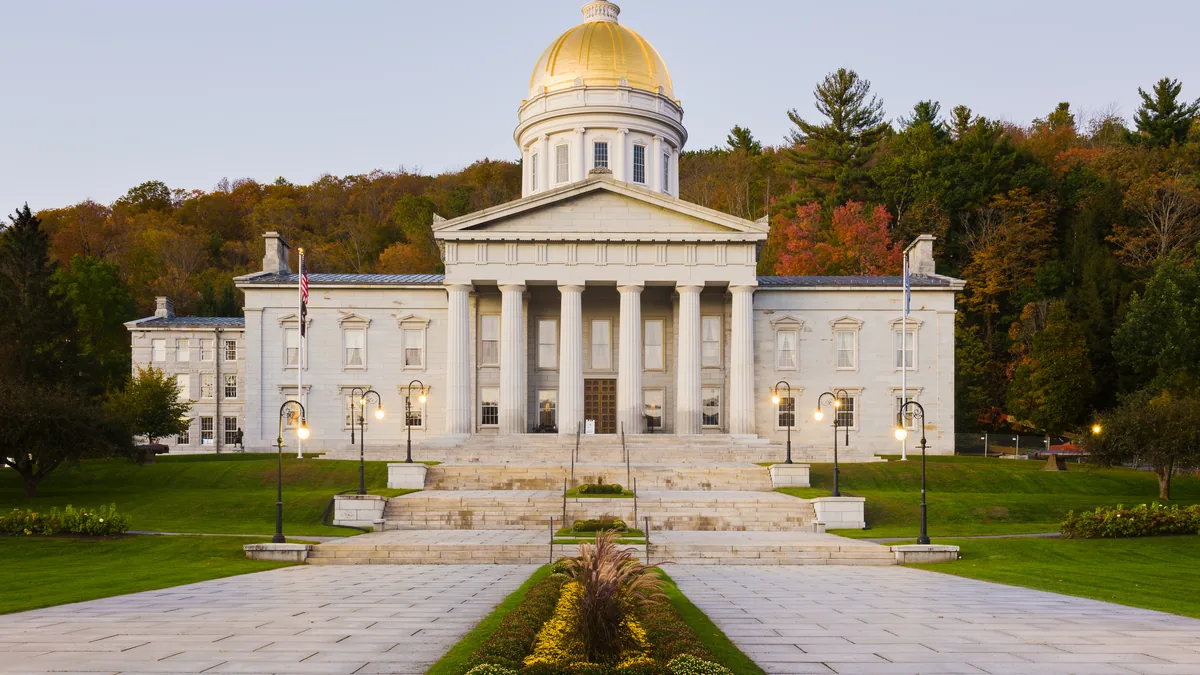
DREAMer / DACA / Undocumented Scholarships in Vermont
Vermont at a glance
Vermont is home to about 27,669 foreign-born residents (4.3% of the state’s 647,106 people) and 16,545 residents of Hispanic or Latino origin (2.6%), per the U.S. Census Bureau’s American Community Survey (2024 5-year estimates). The procedures below apply to everyone in Vermont regardless of immigration status unless noted.
If you’re a DACA, undocumented, or protected-status student, there are paths to finance college education in Vermont WITHOUT needing SSN or federal status.
| College access for undocumented/DACA students — Vermont | |
|---|---|
| In-state tuition | YES — statewide — S.191 (2024) — in-state tuition for all Vermont residents regardless of immigration status |
| State financial aid | YES — Need-based state aid under the same 2024 law |
| Right now | DOJ sued Vermont on August 10, 2026 — the law remains in effect while the case proceeds |
| Verify | www.higheredimmigrationportal.org |
Verified 2026-06-10; litigation re-checked 2026-09-24. This area is changing fast amid the 2025-2026 federal litigation wave (Texas, Kentucky, Oklahoma, Nebraska, Illinois, and Kansas lost access; more cases are pending) — confirm with the college before making decisions.
Private scholarships (no SSN required)
National DREAMer scholarships
- TheDream.US — main scholarship: $14,500 community college, $33,000 university partner
- Hispanic Scholarship Fund — multiple scholarships, some no SSN
- Hispanic Heritage Foundation — Youth Awards $1,000-$5,000
- QuestBridge National College Match — some universities accept DACA
- FastWeb and BoldOrg — searchers with DACA/undocumented filter
Religious / community scholarships
- National Association of Latino Independent Producers (NALIP) — journalism / film
- National Latina/o Education Research Initiative (NLERI)
- Latin GRAMMY Foundation — music
- Hispanic churches — many have university funds
State financial aid in Vermont
YES, state aid exists here — Need-based state aid under the same 2024 law (verified June 2026). Track changes via:
- Higher Ed Immigration Portal — state-by-state laws and programs
- Undocumented student associations at public universities in Vermont
- Admissions offices of public universities in Vermont
DREAMer-friendly universities in Vermont
Look for these indicators:
- “Sanctuary Campus” — non-cooperation policy with ICE
- DACA Resource Center or Undocumented Student Services
- Specific counseling for undocumented students
- Endowed scholarships for DREAMers (rich private universities)
Private universities frequently offer best deals to DACA/undocumented:
- Pomona, Williams, Amherst, Princeton, Harvard, Yale — some need-blind for undocumented
- Trinity, Tufts, Wellesley, Bryn Mawr — generous financial aid
Costs to consider
- Tuition: in-state vs out-of-state is HUGE difference ($10K vs $40K/year typically)
- Books and supplies: ~$1,200-$1,500/year
- Housing: varies by city
- Health insurance (sometimes required): varies
Cost reduction options
- Community college first (2 years) — much cheaper, then transfer to university
- In-state tuition if your state has Tuition Equity
- Live at home while studying
- Work with EAD (if you have DACA) — Federal Work-Study no, but on-campus jobs at many universities accept EAD
- Apply early — many scholarships have November-January deadlines
Resources by organization
- UnitedWeDream — DACA resources + scholarships
- Immigrants Rising — scholarships + entrepreneur training
- Generation Hope — support to young student parents
- CHIRLA, RAICES, NALEO — Latino organizations with college info
- NACAC College Counselor for Undocumented Students (free)
Important (CRITICAL)
- Your academic records are protected by FERPA — schools cannot disclose them without consent outside narrow exceptions (a judicial order or subpoena, health-and-safety emergencies)
- FERPA protects educational records — only parents/guardians can see with permission
- Don’t need to show immigration status to enroll in most university programs
- If you have DACA: keep renewal current to not lose EAD
Related information
- DACA renewal (Form I-821D)
- Employment authorization Form I-765
- DACA renewal calculator
- Learn English in Vermont
Last verified: 2026-06-15.
General procedural information for educational purposes. Not legal, tax, or immigration advice. Laws and fees change — verify with the issuing agency before taking action. For case-specific guidance, consult a licensed immigration attorney or other appropriate professional.
Related procedural information
- Consulate of your country in the US — passport renewal, consular ID, document apostille
- ITIN — file federal taxes without SSN — for people with a US filing or reporting obligation who aren’t eligible for an SSN
- USCIS form library — federal immigration forms (I-130, I-485, N-400, etc.)
- Find an immigration attorney — pro bono lists + AILA + BIA-recognized
- Know Your Rights — ICE encounters — constitutional protections