
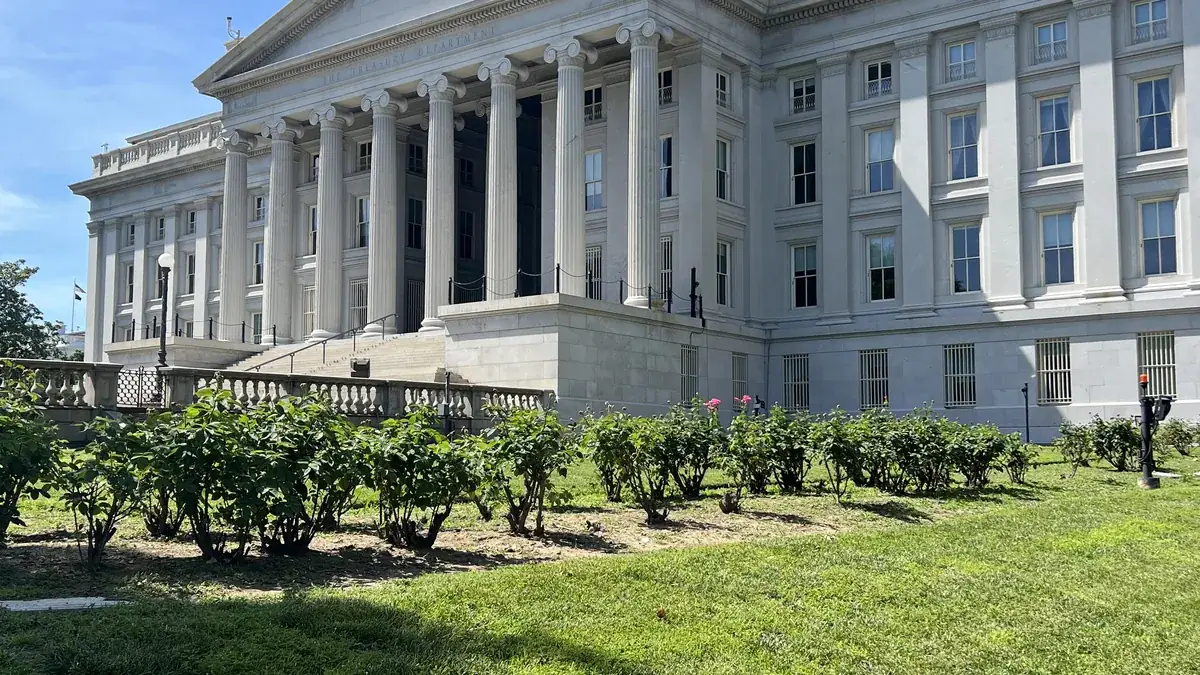
US-El Salvador tax obligations
If you’re a Salvadoran citizen living in the US or US citizen with assets in El Salvador, you have cross-border tax obligations with two systems: US IRS and El Salvador tax authority. This guide covers main points.
Official IRS tax treaty status — verified data
Official source: IRS — US Income Tax Treaties A-Z
Verified on: 2026-05-25
❌ El Salvador does NOT have a tax treaty with the US (verified against IRS on 2026-05-25).
NOT on IRS treaty list
Latin American countries with US tax treaty
Only 3 Latin American countries have a tax treaty with the US (IRS data 2026):
- Chile (signed 2010; entered into force December 19, 2023 — US Treasury; effective for withholding at source from February 1, 2024)
- Mexico (signed 1992, amended 2002)
- Venezuela (signed 1999)
Without treaty: what happens
If El Salvador has NO tax treaty:
- El Salvador income is subject to US tax if you’re a US tax resident
- NO reduced withholding rates on dividends/interest
- Can claim Foreign Tax Credit (Form 1116) to avoid double taxation
Your El Salvador tax ID
In El Salvador, the tax ID is called NIT (Tax Identification Number). If you worked or had income in El Salvador, you should have one.
Your US tax ID
- If you have SSN: use it
- If you don’t have SSN: you need ITIN from IRS — see ITIN complete guide
- ITIN allows fulfilling US tax obligations without work authorization
⚠️ NO US-El Salvador tax treaty
The US and El Salvador do NOT have a bilateral tax treaty. This means:
- 30% withholding on most US passive income paid to Salvadoran non-residents (dividends, royalties, rents, and interest — though interest on US bank deposits is generally exempt)
- NO automatic treaty reduction
- Double taxation is narrower than it looks: El Salvador taxes on a territorial basis (Ley de Impuesto sobre la Renta, art. 16 — income from property located in the country, activities carried out there, or services provided or used in national territory), so your US wages and US business income are generally not taxed by El Salvador. The overlap is limited to income actually sourced in El Salvador, plus certain returns on capital placed abroad by persons domiciled there.
- US Tax Credit (Form 1116) available for credits for taxes paid to El Salvador (mitigates but doesn’t eliminate)
FBAR (FinCEN 114) — accounts in El Salvador
If you’re a “US Person” (US citizen, permanent resident, or tax resident via Substantial Presence) and have bank accounts in El Salvador whose combined balances exceeded $10,000 USD at any point in the year, you MUST file FBAR (FinCEN Form 114) annually.
- Deadline: April 15 (automatic extension to October 15)
- Cost: FREE (electronic via bsaefiling.fincen.gov)
- Penalties: $10,000-$100,000+ for non-filing
See: FBAR complete guide
FATCA (Form 8938) — assets in El Salvador
If your El Salvador financial assets (bank accounts, stocks, funds) exceed FATCA thresholds, you must file Form 8938 with your federal IRS return.
Thresholds (US Persons living in the US) — each has TWO prongs, and hitting either one triggers the form (IRS, Summary of FATCA reporting for U.S. taxpayers):
- Single / married filing separately: more than $50,000 on the last day of the tax year, OR more than $75,000 at any time during the year
- Married filing jointly: more than $100,000 on the last day of the tax year, OR more than $150,000 at any time during the year
- If you live abroad, the thresholds are much higher: $200,000 / $300,000 single, $400,000 / $600,000 married filing jointly
The any-time-during-the-year prong is the one people miss: a balance that peaked at $80,000 in July and sat at $40,000 on December 31 still requires Form 8938.
See: FATCA complete guide
US + El Salvador dual nationality
El Salvador allows dual nationality with US. If you naturalize as US citizen, you keep Salvadoran nationality (verify El Salvador’s current rules).
Dual nationality tax implications:
- You still owe US tax on worldwide income (the US taxes its citizens on worldwide income)
- You may also owe tax in El Salvador on income generated in El Salvador (it taxes on a territorial basis)
- The US foreign tax credit (Form 1116) can reduce double taxation on income that El Salvador also taxes
Currency and conversion
El Salvador: USD (oficial desde 2001). Income received in US dollars needs no conversion. When reporting Salvadoran income received in another currency to the IRS, convert it to US dollars, generally at the exchange rate prevailing when you receive, pay or accrue the item; the IRS has no official exchange rate and generally accepts any posted exchange rate used consistently.
If you have a business (Self-Employment / Independent Contractor)
If you live in US with ITIN and have freelance/business income:
- Schedule C (business profit/loss)
- Schedule SE (Self-Employment Tax 15.3%)
- 1099-NEC from your US clients
- FEIE does NOT apply (you’re IN the US, not abroad)
Related information
- ITIN — complete guide
- Filing taxes with ITIN
- FBAR (FinCEN 114)
- FATCA (Form 8938)
- Salvadoran consulates in the US
- Tax software comparison
Official source: IRS International Taxpayers · FinCEN FBAR
Cross-border tax obligations are complex — consult a CPA or tax attorney with international experience.
Last verified: 2026-09-24.
General procedural information for educational purposes. Not legal, tax, or immigration advice. Laws and fees change — verify with the issuing agency before taking action. For case-specific guidance, consult a licensed immigration attorney or other appropriate professional.
Related procedural information
- ITIN — file federal taxes without SSN — required for federal and most state filings
- ITIN-friendly business banking — for self-employment income
- Form an LLC to structure business income — pass-through tax treatment under ITIN
- Driver’s license requirements by state (DMV) — residency for state tax purposes
- Find legal help for tax issues — VITA + low-income tax clinics